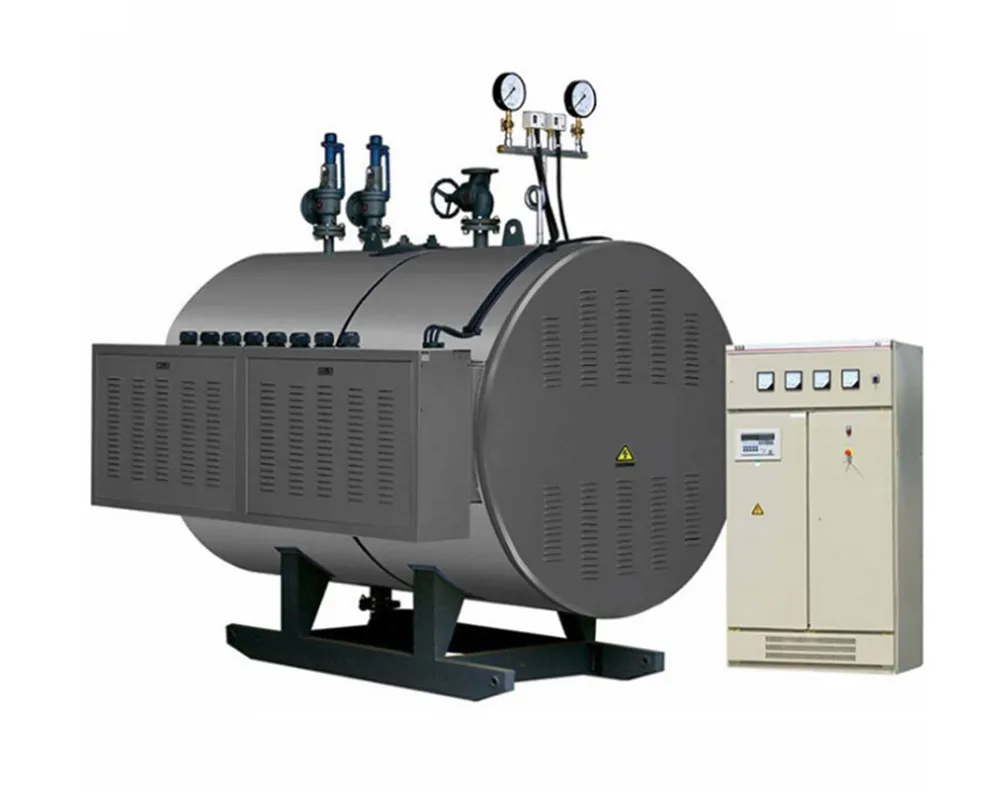
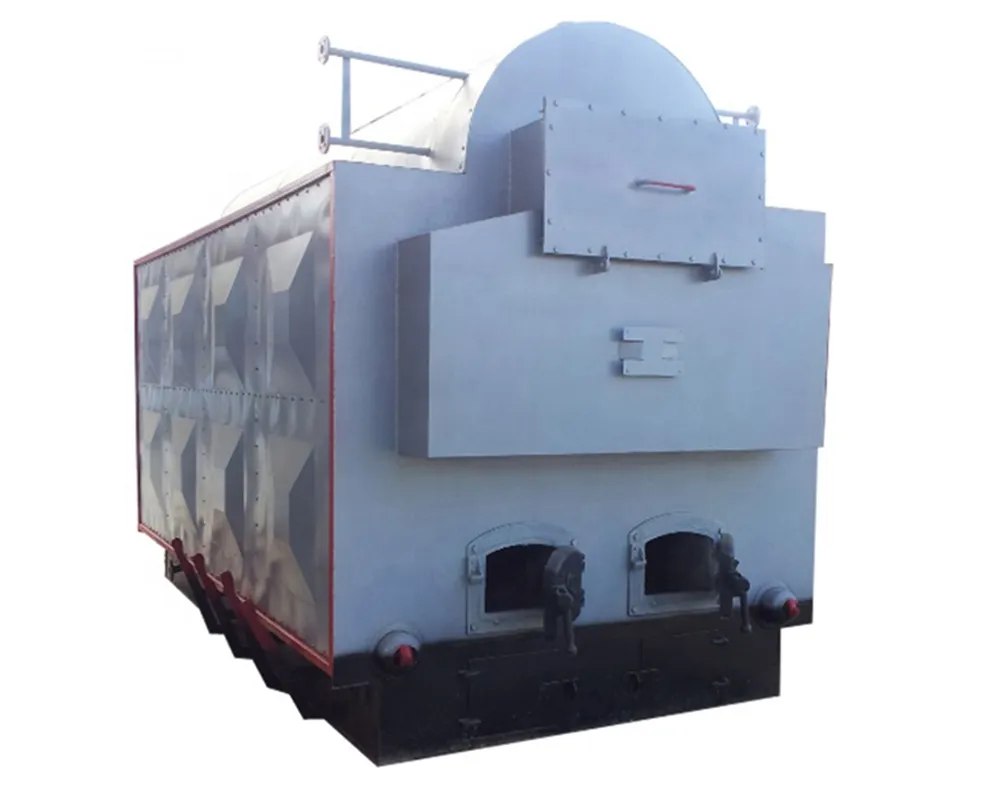
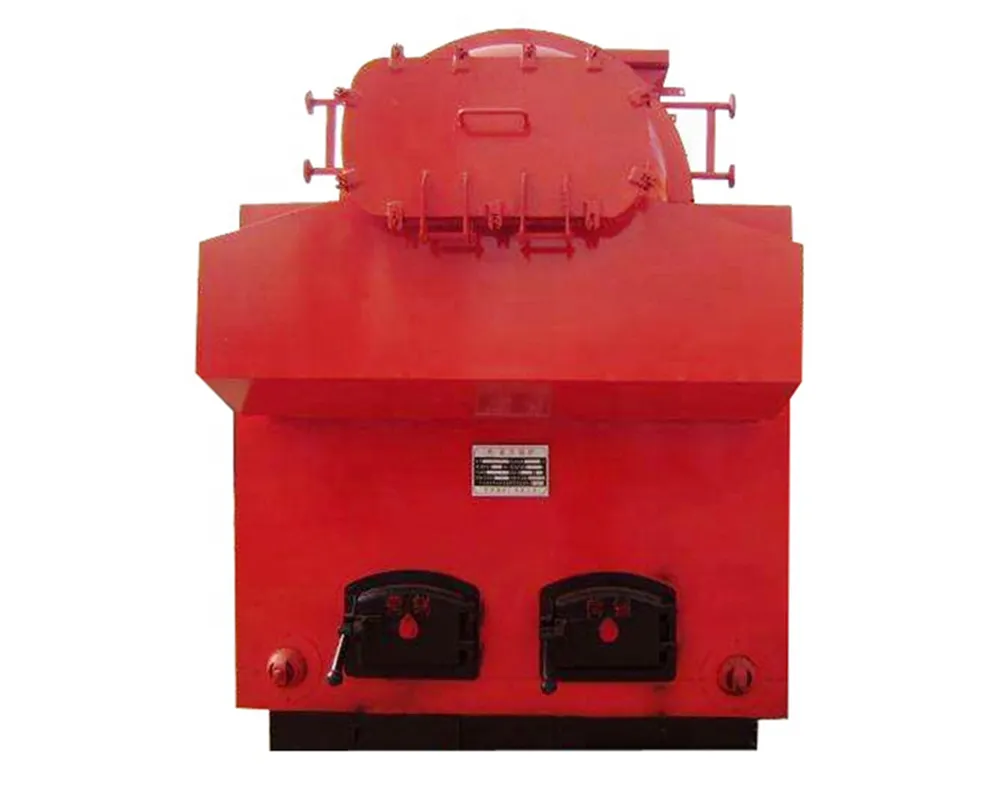
Boilers serve multiple interconnected roles across the paper manufacturing lifecycle, with steam being the primary energy carrier for key operations. Below are the most vital use cases:
1. Pulping & Cooking Processes
The pulping stage breaks down raw materials (wood chips, recycled paper, agricultural fibers) into pulp, and high-temperature steam from boilers is essential for chemical and mechanical pulping. In kraft pulping—the most common industrial method—pressurized steam heats cooking liquor to separate lignin from cellulose fibers, softening raw materials and streamlining fiber extraction. This step directly impacts pulp yield and quality, making reliable steam supply critical for efficient pulping operations.
2. Bleaching & Washing Stages
Post-pulping, pulp undergoes bleaching to achieve desired brightness and purity. Boiler-generated steam provides consistent heat for chemical reactions in bleaching tanks, ensuring uniform fiber treatment and removing impurities. Steam also supports washing cycles, helping rinse residual chemicals and lignin from pulp without damaging fiber structure—this boosts final paper whiteness and strength.
3. Paper Drying & Forming
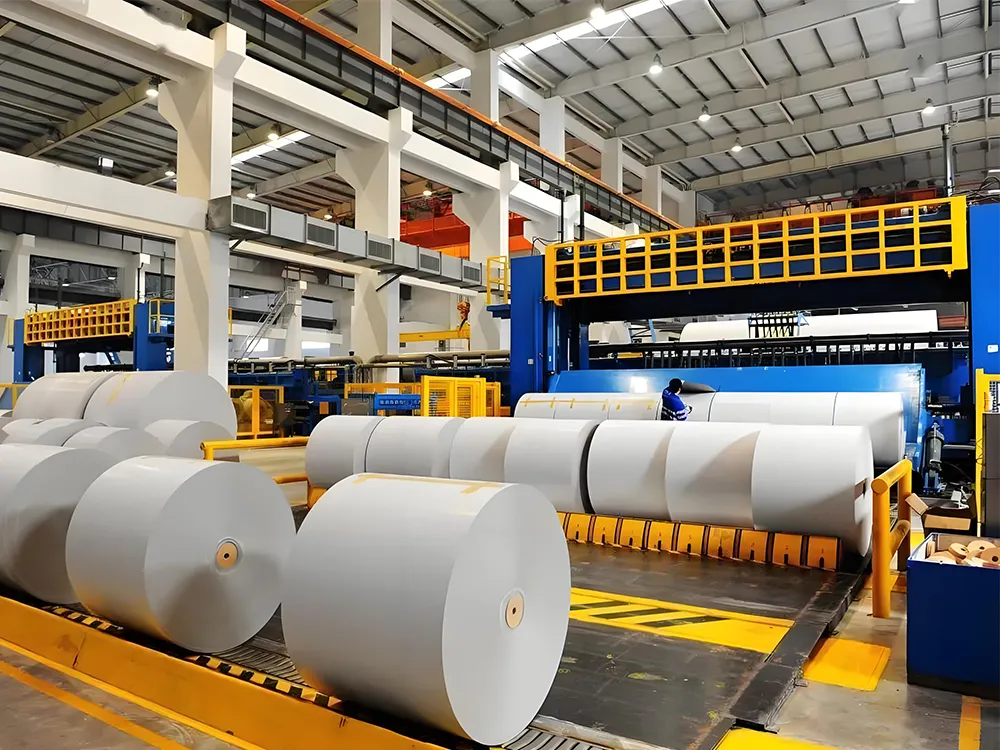
Drying is the most energy-heavy step in papermaking, accounting for a large share of a mill’s thermal demand. Wet paper webs pass through heated dryer cylinders, where steam from boilers releases latent heat to evaporate moisture. Precise steam pressure and temperature control prevent paper breakage, warping, or uneven drying, while optimizing drying speed to maximize production output. Even minor fluctuations in steam supply can disrupt this process and increase waste.
4. Black Liquor Recovery & Energy Recycling
Kraft pulp mills produce black liquor—a toxic byproduct rich in organic compounds and inorganic chemicals—as a pulping waste. Recovery boilers (a specialized boiler type) incinerate black liquor to generate steam, recover reusable inorganic chemicals (like sodium salts), and eliminate hazardous waste. This closed-loop system turns waste into energy, cutting fuel costs and reducing the mill’s environmental footprint, making it a cornerstone of sustainable paper manufacturing.
5. Combined Heat & Power (CHP) Generation
Many modern paper mills operate CHP boiler systems that produce both steam for production and electricity for on-site use. Excess high-pressure steam drives turbines to generate power, while low-pressure steam leftover from power generation is redirected to manufacturing processes. This cascade energy use drastically improves overall energy efficiency, reduces grid electricity reliance, and lowers utility expenses for large-scale mills.
6. Auxiliary Plant Operations
Boilers also support non-production but critical facility needs: heating mill buildings in cold climates, preheating water for processing, powering cleaning and sanitation equipment, and maintaining optimal temperatures for chemical storage. This multi-purpose functionality makes boilers a versatile asset for full mill operations.